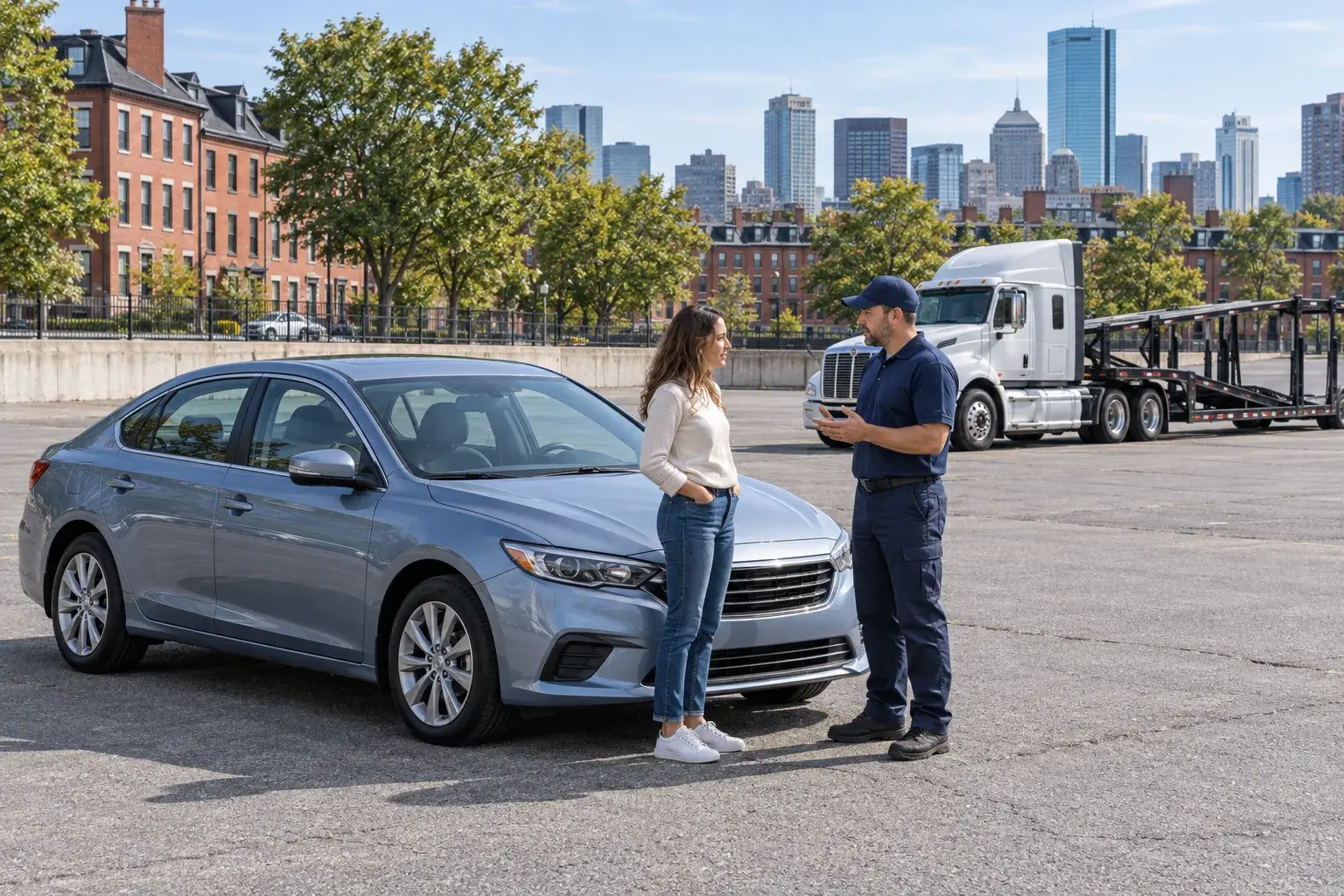
You've booked your shipment, the carrier is confirmed, and your car is on its way — but the destination address has a problem. Maybe your new apartment isn't available until the first of the month. Maybe the house closing got pushed back three days. Maybe you're staying with family temporarily and the driveway situation is complicated. Whatever the reason, the car is moving but the endpoint isn't fully settled.
This is more common than most people expect, and it's worth thinking through before your carrier is already en route.
Why the "Last Mile" Creates More Problems Than the Long Haul
Carriers move efficiently on the highway. The friction usually happens at the ends of the route — especially delivery. A carrier who has driven 1,200 miles doesn't want to arrive at a destination only to find no one available, the address inaccessible, or the recipient asking to delay another day.
Delays at delivery can affect the carrier's schedule for other customers on the same load. In some cases, a vehicle that can't be offloaded on the agreed date may need to be held — and that holding process, if it becomes necessary, should be discussed with your shipping coordinator before it happens, not after the driver calls you from the street.
This doesn't mean your situation can't be accommodated. It means the time to plan for it is at booking, not at delivery.
Four Practical Ways to Handle a Not-Ready Destination
1. Use a Nearby Accessible Drop Point
Door-to-door car transport is designed for convenience, but "door to door" is flexible in practice. If your actual delivery address isn't ready, you can coordinate delivery to a nearby location with better access — a wide parking lot, a friend's driveway, or another address in the same area where someone can accept the vehicle.
This works well when the delivery recipient is available but the specific address isn't quite right yet. Just make sure the alternate location is agreed upon clearly before the carrier is dispatched from the origin.
2. Communicate the Delivery Window Realistically at Booking
When you book, be honest about your delivery situation. If you know your closing date could slip, say so. A good shipping coordinator will build that context into the dispatch notes and can often give the carrier a delivery window rather than a hard date.
This is very different from asking a carrier to sit on a vehicle indefinitely. A window of two or three days is something most carriers can work around. An open-ended "we don't know when we'll be ready" is harder to accommodate and may affect your quote.
3. Plan for a Third-Party Recipient
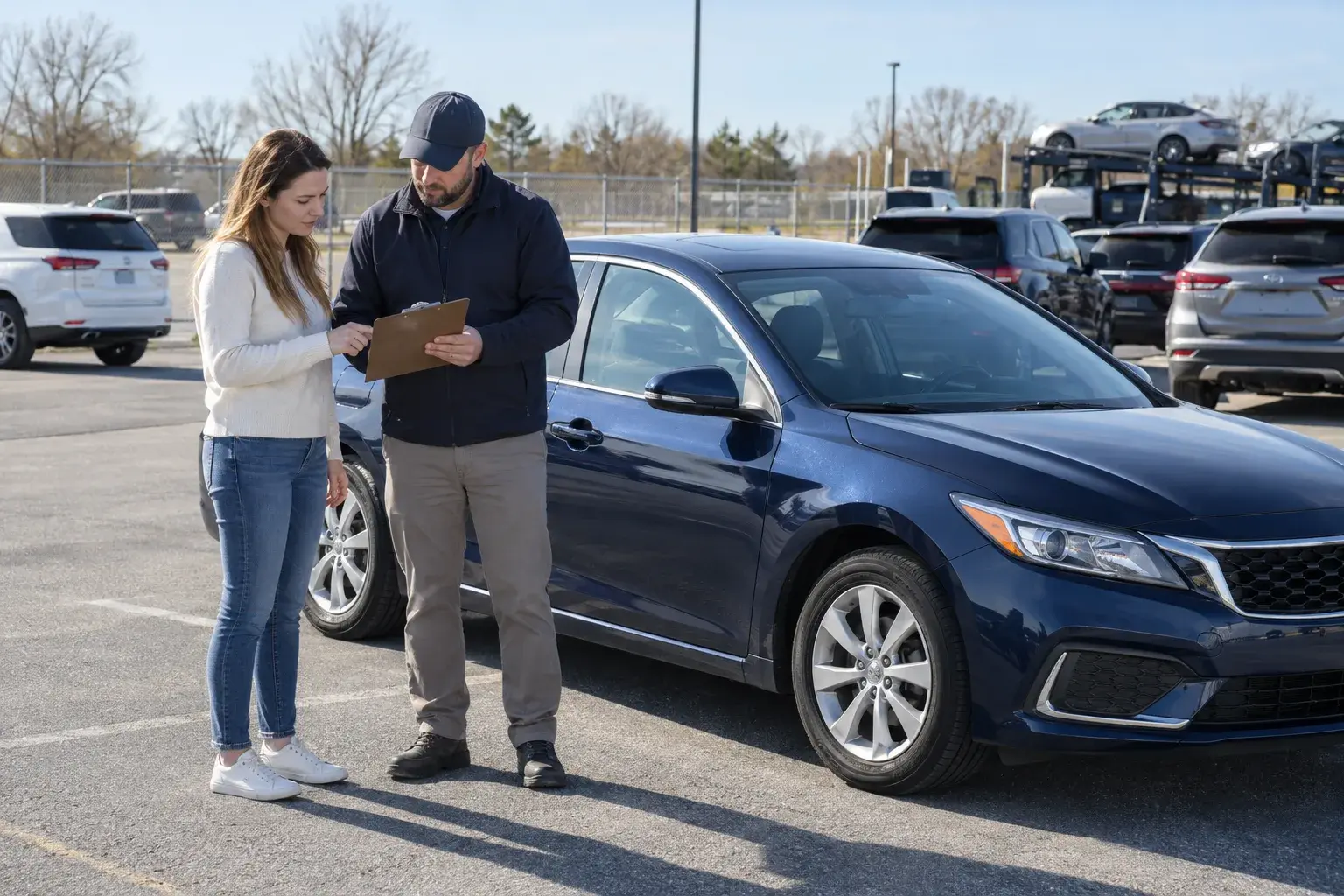
You don't have to be physically present at delivery. A trusted person — a family member, a real estate agent, a building manager — can accept the vehicle on your behalf. They'll need to do a basic inspection and sign the Bill of Lading, so make sure they understand what to look for.
We covered what that inspection involves in our guidance on what actually happens between pickup and delivery, but the short version: walk around the car, compare its condition to the original inspection report, note anything that looks different before you sign. A third-party recipient can do this just as effectively as you can, as long as they know to take it seriously.
4. Consider Whether Expedited Shipping Changes the Math
If your timeline is genuinely tight — you need the car to arrive within a narrow window because the destination will be ready on a specific date — expedited car shipping may be worth pricing out. It typically costs more, but it gives you more control over the delivery timeline rather than working around a standard dispatch window.
This is especially useful when you're coordinating with a lease start date, a job start date, or any other fixed external deadline.
What to Ask Your Shipping Coordinator Before You Book
If your destination situation is uncertain, these questions are worth raising directly:
- Can the delivery window be noted as flexible by a few days?
- If the recipient isn't available at delivery, what's the process?
- Is there a nearby location that would work as an alternate drop point?
- If the address changes before dispatch, how do I update it?
These aren't unusual questions. Carriers and brokers deal with address and timing complications regularly. The issues arise when those complications surface after a carrier is already in transit.
The Bigger Picture: Coordination Is the Job
Auto transport isn't just a transaction — it's a coordination problem. The vehicle itself usually travels fine. What causes stress is the gap between when the car arrives and when the situation at the other end is ready to receive it.
Planning that last mile with the same care you give the long haul makes the whole experience significantly smoother.
Get a free quote and let an advisor know your delivery situation upfront. The more context we have, the better we can build a shipment that actually fits your timeline — not just the easy version of it.
If you're also trying to figure out what your shipment is likely to cost before you call, the car shipping cost calculator is a good place to start.
GET YOUR FREE QUOTE
Tell us your route and vehicle. An advisor confirms the details.